Most students hunting for cleaning jobs in Japan worry about their Japanese level first. The thing that decides your application sits somewhere else entirely: a small stamp on the back of your residence card.
Japan's cleaning sector hires all year in cities like Tokyo, Osaka, and Yokohama. Offices, hotels, and apartment buildings need someone at 6 a.m. and someone at 10 p.m., every single day.
This guide is written for one reader: the international student on a student visa who wants steady side income without breaking immigration rules. If you study during the day and need predictable shifts, keep reading.
Can Student Visa Holders Get Cleaning Jobs in Japan?
Yes, students in Japan can work cleaning jobs, as long as they hold official permission for activity outside their visa status.
Student visa holders need a work permit called "Permission to Engage in Activity Other Than That Permitted" before taking any paid job.
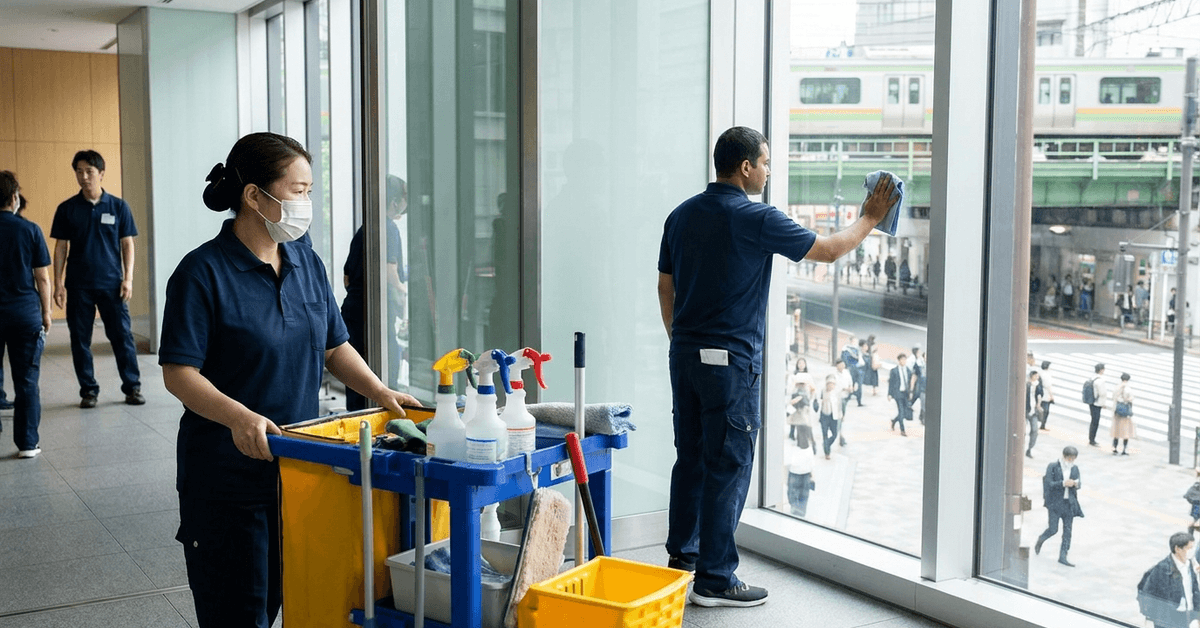
Cleaning is one of the most common first jobs for students because routines matter more than conversation. You learn a sequence of tasks, repeat it, and get paid on a fixed schedule.
The Work Permission Stamp Comes First
No permission, no job. Employers will check your residence card, and a missing permission stamp ends the conversation fast, even if the manager liked you.
Students often get this permission at the airport on arrival, or later through a regional immigration office. The Immigration Services Agency of Japan lists the current application steps and documents.
Your Hour Cap Counts Every Job Combined
The weekly work limit for students is 28 hours, and it covers all your jobs together. Two cleaning gigs at 15 hours each puts you over, even though each employer thinks you're fine.
Neither company tracks your other job. You do. Keep a simple weekly log, because the visa renewal is where overtime mistakes come back to bite.
Why Shift Timing Matters More Than Experience
Shift timing is the biggest filter in cleaning hiring, and it works in a student's favor. Office and hotel cleaning shifts usually run early in the morning or late in the evening, which falls outside most class schedules.
A manager filling a 6 a.m. office slot cares less about your past jobs than whether you'll show up at 6 a.m. every Tuesday. Availability is the thing you're selling.
Early Mornings vs. Late Evenings
Early shifts suit students with morning-free timetables, since offices want floors clean before staff arrive. Late shifts fit students who finish class by mid-afternoon.
Here's my honest read on picking between them: choose the slot you can protect during exam weeks. A shift you keep dropping in February hurts more than a slightly lower hourly rate.
Daytime Shifts in Shopping Areas and Schools
Some cleaning roles run during the day, especially in shopping centers and school facilities. These work for students with afternoon gaps or weekend availability.
Daytime roles can be harder to stack around a full timetable. Check whether the employer offers split days or weekend-only options before committing.
Where Students Find Cleaning Jobs in Japan
Students find cleaning work through job portals, direct company applications, and their own language schools. Hello Work is Japan's public employment service, and it lists part-time and full-time cleaning positions nationwide.
Each source works differently, so the smart move is using two or three at once. Here are the main places to look:
- GaijinPot Jobs: listings in English, built for foreign residents
- Hello Work: public listings, mostly in Japanese, with local office support
- Company careers pages: hotel chains, cleaning firms, and facility management companies
- Language school bulletin boards: roles shared through staff recommendations
- Referrals: friends or classmates already working at a site
How the Main Job Sources Compare
The table below compares the sources students use most.
| Source | Language | Best for | Watch out for |
|---|---|---|---|
| GaijinPot Jobs | English and Japanese | Students with limited Japanese | More applicants per listing |
| Hello Work | Mostly Japanese | Local, stable roles | Navigating Japanese pages |
| Language school boards | Varies | Campus or nearby roles | Fewer openings overall |
| Direct company pages | Mostly Japanese | Hotels and large firms | Walk-in etiquette |
If your Japanese is still basic, start with GaijinPot and your school board, then add Hello Work once reading listings feels easier.
Why Your School Board Is Underrated
Language school bulletin boards rarely get attention, yet jobs posted there come from employers who already hire students. They usually understand your visa hour limits and class schedule.
A staff recommendation also carries weight a cold application can't match. Ask your school office directly; some openings never get posted at all.
Does Your Rirekisho Matter as Much as People Say?
Your rirekisho matters less for cleaning jobs than most job-hunting advice claims. A rirekisho is the standard Japanese resume format, and templates are sold at stationery stores and available online.
Plenty of guides tell students to spend hours perfecting it. I disagree for cleaning roles specifically, because interviews here focus on three things: your schedule, your language level, and your experience. Clear availability beats elegant formatting every time.
What to Put on It Instead of Polish
Fill it out neatly and spend your energy on the parts managers read first. Include these details:
- Contact information and your visa type
- The exact days and hours you can work each week
- Your Japanese level, stated honestly
- Any prior cleaning or hospitality experience
Get the availability section precise. "Weekday mornings 6 to 9" lands better than "flexible."
Interviews, References, and Trial Shifts
Cleaning interviews are usually short and practical. Some workplaces with stricter standards, like medical facilities or luxury hotels, may ask for a trial shift or quick skill demonstration.
Larger companies may check references, while smaller outfits often skip that step. Keep one reference ready, ideally a teacher at your school or a past employer.
What to Expect During Your First Weeks on the Job
New cleaners in Japan usually get on-site training through demonstrations or short orientation sessions. Typical tasks include room cleaning, bathroom sanitation, trash collection, restocking supplies, and reporting maintenance issues.
The work is physical. Expect standing, bending, and carrying for most of a shift, so treat comfortable shoes as part of your budget.
Uniforms and Safety Gear
Employers usually provide uniforms, plus gloves and masks as part of your daily kit. Safety routines get explained during onboarding.
Pay attention to chemical handling instructions even if they feel obvious. Mixing the wrong bathroom cleaners is a mistake nobody wants to learn on shift two.
Basic Japanese You'll Use Daily
You don't need fluency, but you will hear instructions and simple questions constantly. Learn phrases for "finished," "out of supplies," and "something is broken" first.
Reporting a leak or a broken fixture is part of the job. Being able to say it clearly makes you the cleaner managers want to keep.
Room to Grow Over Time
Cleaning work can feel repetitive, though longer-serving staff are sometimes given extra duties. These can include supervising newer workers or helping with minor repairs.
For a student, that experience reads well on future applications. Reliability on a 6 a.m. shift says a lot to any Japanese employer.
Common Mistakes Students Make
Most problems come from rules, not cleaning skills. The most common mistake is working more than the permitted hours across multiple jobs.
Watch for these other slip-ups:
- Accepting a shift before confirming your work permission stamp
- Listing vague availability on your rirekisho
- Dropping shifts during exam season without notice
- Ignoring safety briefings on cleaning chemicals
Every item on that list is avoidable with a calendar and five minutes of planning.
Questions People Ask About Cleaning Jobs in Japan
These are the questions students tend to ask once they start applying.
- Q: Do I need to speak Japanese to get a cleaning job in Japan?
Advanced fluency usually isn't required. Basic communication is expected, especially understanding instructions and answering simple questions, and listings on GaijinPot Jobs tend to be friendlier to beginners. - Q: Can I work two cleaning jobs on a student visa?
You can, as long as the combined total stays within your weekly limit. Each employer only sees their own hours, so tracking the total is your responsibility. - Q: Are cleaning jobs in Japan full-time or part-time?
Both exist. Students typically take part-time shifts, while full-time roles suit residents with visas that allow unrestricted work. - Q: Do cleaning jobs in Japan pay overtime?
Longer or irregular hours are generally paid as overtime. Ask during the interview how overtime is calculated, and remember student hour limits still apply. - Q: Will I get trained if I've never cleaned professionally?
Most employers train new hires on-site through demonstrations or short orientations. Beginner-friendly roles in offices and apartments are the usual starting point.
Conclusion
Cleaning jobs in Japan suit international students who can protect a fixed shift around classes and exams. Your work permission stamp and weekly hour limit matter more than any perfectly formatted resume you submit.
Start with GaijinPot Jobs and your school board, then add Hello Work once Japanese listings feel readable. Pick one reliable shift, show up every week, and watch how quickly better roles start finding you.