
Collecting World Cup stickers can be one of those curious passions that quietly unites people of all ages. If you've ever wondered why so many seek out doubles, or gather to compare missing players, you're not alone.
For those who have experienced the particular joy of sliding a final sticker into an album, the appeal is obvious—yet not everyone knows how to branch beyond solo collecting.
This article is for anyone who enjoys the hunt but recognizes that organizing a local sticker swap meet isn’t just good for trading—it’s a chance to connect, share, and strengthen the community of collectors.
Perhaps you’re new and curious, maybe you already have a few trading partners, or there's the possibility you once attended a swap and think it's time to bring one to your own area.
Whichever it is, assembling a group isn’t as daunting as it might sound, and the benefits often extend well beyond just filling empty spaces in an album.
Why a World Cup Sticker Swap Meet Works So Well?
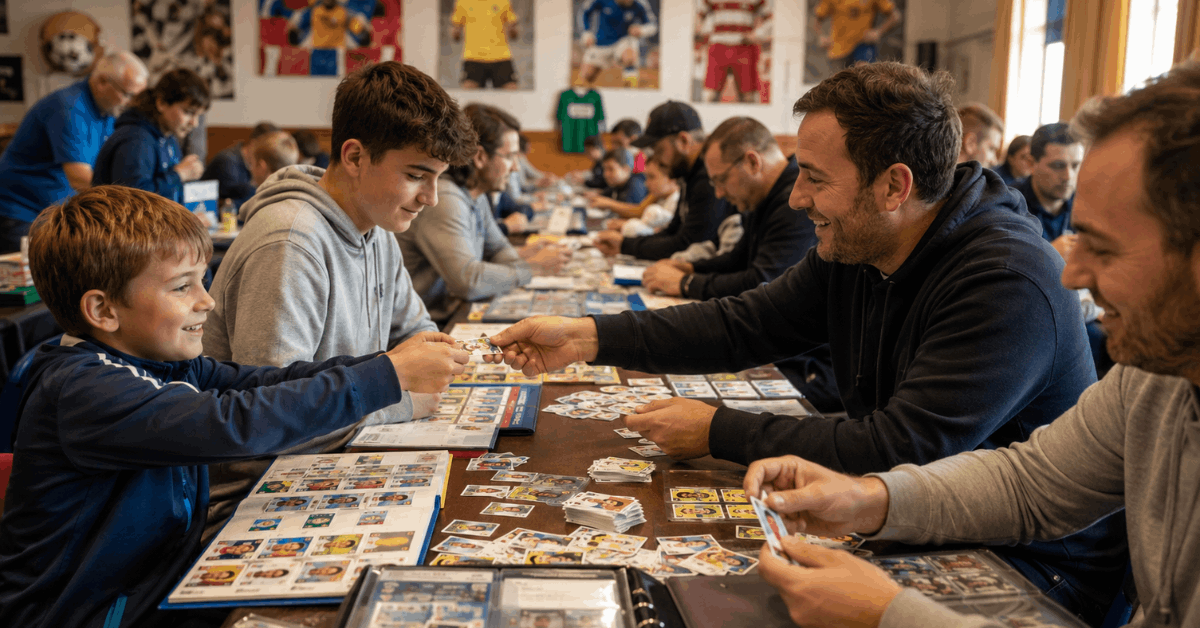
Sticker swapping events are about more than just exchanges—they create social opportunities for hobbyists to meet like-minded people. In today's online world, these in-person events bring back some warmth and authenticity.
Bringing Together Diverse Collectors
Swap meets have a rare way of attracting everyone from young kids to seasoned adults. The mix can feel refreshing, even if at times it's a little unpredictable. People who might never cross paths elsewhere suddenly have something in common.
Accelerating Album Completion
Many participants note that swapping is the quickest, most cost-effective route to completing a sticker album. It reduces the frustration of endless duplicates, and, in all honesty, can be a lot more satisfying than random pack purchases.
Building Genuine Community
Beyond trades, these events foster lasting friendships—sometimes even among rivals whose teams might face each other on the field. Swapping often leads to new partnerships, future trading opportunities, and a sustained sense of belonging.
Finding and Choosing the Right Location
The venue for your swap meet matters almost as much as the event itself. A comfortable, safe setting can make or break participation. It's best to look for spots that are accessible by public transport and have enough room for groups to sit or stand.
Considering Local Libraries or Community Centers
Libraries and community centers are popular because of their central locations and family-friendly environments. Some offer free event spaces, though demand can be high. It might be worth making inquiries in advance.
Cafés and Parks as Alternatives
Coffee shops sometimes allow small gatherings, especially during quieter periods. Parks give open air and room to spread out but, of course, weather can be unreliable. Sometimes, organizers will alternate venues based on the time of year or attendee feedback.
Planning the Event Details
While it’s tempting to keep things flexible, a little structure usually helps even for casual events. A well-organized event draws respectful attendees—and that’s key to a smooth experience.
Selecting the Date and Time
It's worth considering the local calendar. Weekends or late afternoons suit families and working participants. Checking for conflicts with local events can reduce last-minute dropouts.
Estimating the Group Size
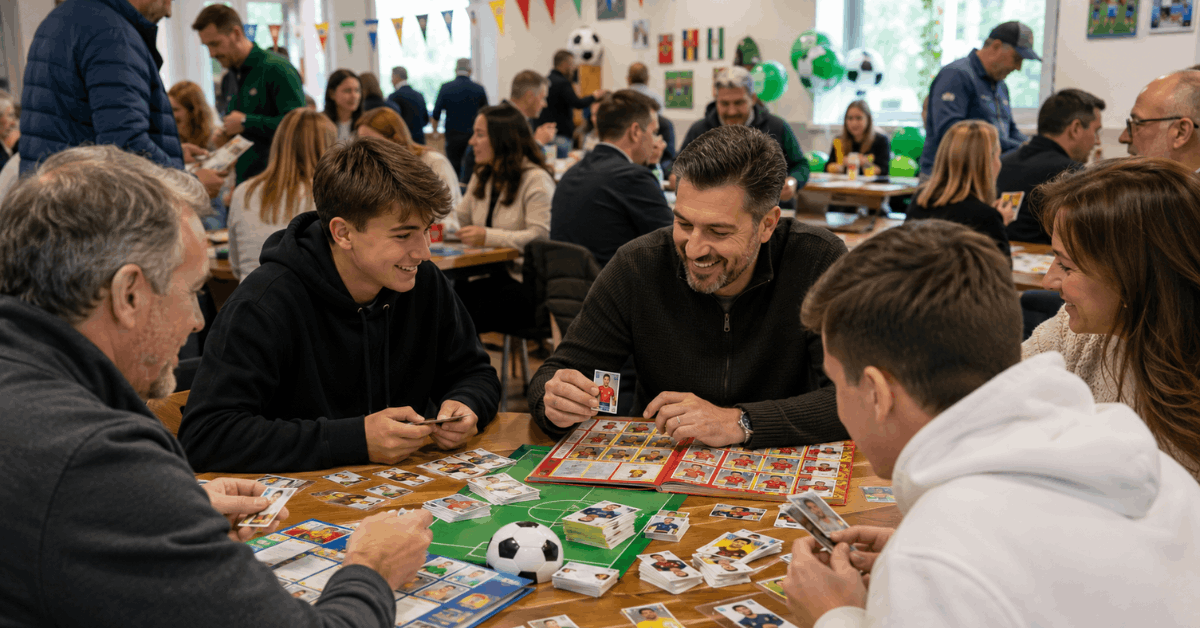
Events with between 10 and 30 people tend to be lively enough for meaningful swaps without becoming overwhelming. However, a successful event doesn’t hinge on size. Some of the best swaps happen with a handful of engaged participants.
Setting Up Basic Rules
To prevent misunderstandings, simple guidelines—like no sell-only tables or how to handle disputes—keep things positive. Nothing complicated, just a few sentences agreed upon beforehand.
Promoting Your Swap Meet Locally
Word of mouth is powerful, but combining that with digital tools can dramatically expand reach. A thoughtful approach attracts new faces, not just regulars, which is ideal for growing the swap community.
Flyers and Community Boards
Printed flyers at schools, libraries, or youth clubs are traditional but still surprisingly effective. They catch the eye of parents, who often encourage children to join. Even a basic design will do, provided it lists the date, time, location, and contact information.
Announcements in Local Social Media Groups
Community Facebook groups, Nextdoor, or WhatsApp group chats can be excellent places to spread news about the event. Some groups even permit event pages or sign-up polls for coordination.
Connecting with Hobby Stores
Trading card or comic book shops sometimes host collector events or may be happy to mention your swap in their newsletters or on social channels. Their regular customers are already interested in hobbies, making them likely attendees.
Preparing for the Event Day
A bit of preparation can set a friendly tone from the start. Trying to anticipate small needs shows consideration, even if the swaps are informal. It’s worth thinking about supplies and safety, just in case.
Essential Swap Supplies
- Tables or mats for organizing sticker piles
- Notepads and pens for participants to jot down needs or contacts
- Hand sanitizer for cleanliness, particularly if the group includes children
- Trash bags or recycling bins to keep the area tidy
Welcoming Newcomers
A greeting or a brief round of introductions often helps everyone relax. Even small talk about favorite teams or sticker challenges can break the ice. Some events include name tags, but that depends on the group dynamic.
Keeping the Event Safe and Respectful
Organizers sometimes worry about disputes or inappropriate behavior. While that’s rare, being prepared is wise. Clear, visible event guidelines about conduct can make expectations obvious without being heavy-handed.
Minding Personal Belongings
Swap meets can get busy, so reminders to watch over bags or valuable collections are sensible. Setting a designated 'lost-and-found' spot is another practical touch.
Health and Safety Considerations
If you're in a region with public health advisories, adhering to official guidelines is non-negotiable. Checking local government recommendations before each event, especially for indoor gatherings, seems prudent.
Making the Most of the Swap Experience
The most rewarding events include thoughtful extras—little touches go a long way in building goodwill and encouraging participants to return for future swaps.
Organizing Mini Games or Raffles
Some successful swaps have included small raffles or fun quiz games with token prizes, like stickers or soccer-themed stationery. They keep spirits up and invite everyone to mingle.
Encouraging Sharing of Stories
Allowing time for participants to share their experiences—especially tricky swaps or funny sticker tales—adds a unique flavor. People connect not just through their collections but also their stories.
Planning for Future Events
Many swaps blossom into regular meetups. Gathering feedback just after the swap, either by a quick poll or a casual group chat, helps identify what worked and what could improve.
Building an Ongoing Network
Setting up a simple e-mail list or social group can help keep people informed of upcoming swaps or last-minute opportunities to trade. This low-effort step often leads to an organically growing, connected community.
Legal and Organizational Considerations
While sticker swaps are usually informal, there can be legal issues if trades involve money or commercial activity. Keeping things non-commercial is safest, especially in community venues.
Obtaining Venue Permissions
Most public spaces, especially those owned by a municipality, require permission or a booking. Some may ask for proof of insurance or an event plan, depending on group size.
Complying with Local Regulations
Checking in with the local council or property manager about rules for gatherings is worthwhile. There might be restrictions on advertising or limitations regarding food and drink brought on site.
Final Thoughts
Organizing a World Cup sticker swap meet can turn a simple collecting hobby into a fun community experience. A good event helps collectors trade duplicates, complete albums faster, and connect with people who share the same interest.
Choosing a safe venue, setting clear rules, and promoting the event locally can make the gathering smoother and more welcoming. With thoughtful planning and respectful trading, a sticker swap meet can become a regular tradition for collectors of all ages.