
Brasil Sorridente is one of Brazil’s most significant public health programs, focusing on oral care. It was created to give millions of Brazilians access to dental care without financial barriers
Through this initiative, preventive and restorative care became part of the nation’s Unified Health System (SUS).
This article explains the program’s services, how enrollment works, and why it remains vital for public health.
Understanding Brasil Sorridente
This section introduces the origins of Brasil Sorridente. It explains the reasons for its creation and who it is meant to serve.
Background and Launch
The program was launched in 2004 by the federal government to strengthen dental care access. It was integrated into SUS to guarantee universal coverage.
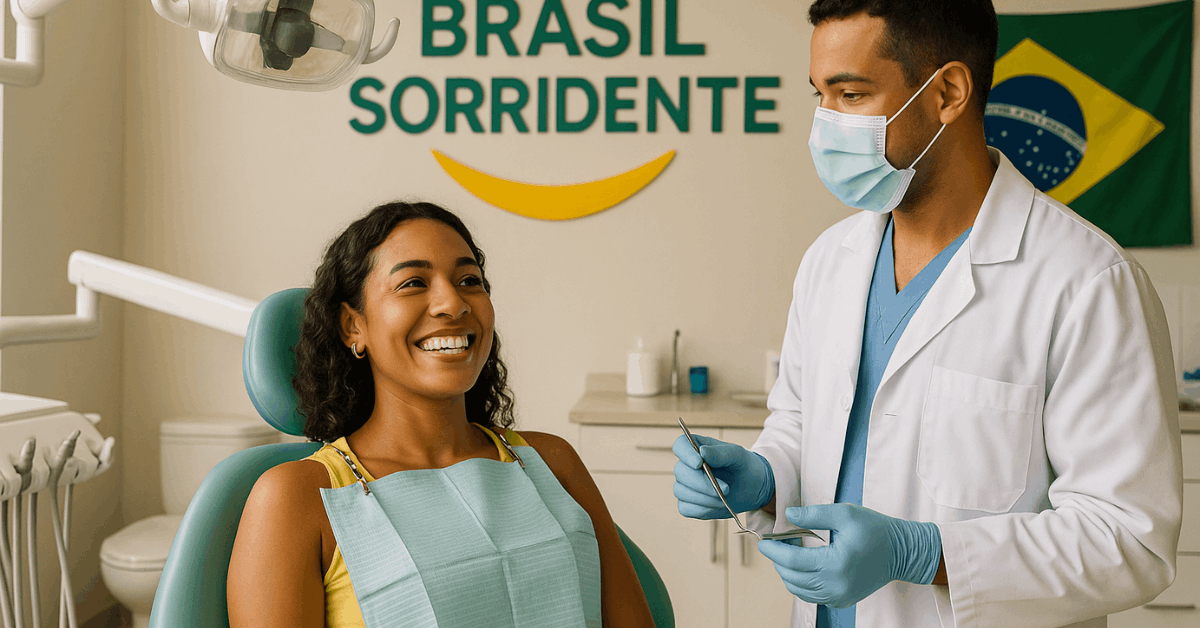
The initiative focused on reducing inequalities in oral health across different regions. It remains one of the largest dental health initiatives in Latin America.
Target Audience
Brasil Sorridente was designed to benefit low-income and vulnerable populations. Priority is given to children and elderly citizens, as well as those with limited resources.
Millions of Brazilians, especially in rural and underserved areas, now have access to regular dental care. The program’s national reach makes it a cornerstone of inclusive health policy.
Key Dental Services Offered
Here you will learn about the main services provided by the program. They range from prevention to advanced treatments.
Preventive Services
Preventive services are central to Brasil Sorridente’s mission. They help individuals avoid severe dental problems and promote healthy habits.
Campaigns focus on education and encourage early oral hygiene practices. Community health units regularly organize preventive programs in schools and local centers.
Restorative and Curative Care
Restorative care addresses oral health issues after they develop. Dentists provide fillings, root canals, and extractions when necessary.
Services include dentures and oral surgery for complex cases. These treatments improve both functionality and quality of life for patients.
Specialized Services
Some centers under the program offer specialized dental services. Pediatric dentistry ensures proper oral health development in children.
Periodontal treatments are available for gum-related conditions. Orthodontics may also be provided in certain clinics when deemed necessary.
How Enrollment Works?
Enrollment is simple but requires preparation. This section explains who qualifies, how to apply, and what documents you need.
Eligibility Criteria
To access Brasil Sorridente, you must be registered in SUS. All citizens and legal residents of Brazil are eligible for the program.
Priority is given to groups that require urgent or continuous care. These include children, elderly adults, and people with chronic conditions.
Step-by-Step Enrollment Process
The enrollment process is straightforward. You start by visiting your local SUS unit for registration.

Afterward, you may be referred to a specialized dental center. Appointments are then scheduled, and follow-ups ensure continuity of care.
Documentation Needed
To complete enrollment, certain documents are required. These include an identification card or CPF, proof of residence, and the SUS card.
Presenting updated information makes the process easier. Proper documentation helps reduce waiting time and ensures faster service allocation.
Where Services Are Provided
Brasil Sorridente offers services through different points of care. Access varies depending on your needs and location.
Family Health Units (Unidades Básicas de Saúde)
Family Health Units are the first point of access to Brasil Sorridente. These community-based clinics are equipped with dental teams.
They focus on preventive and general care for local residents. Many patients begin their treatment journey in these centers.
Dental Specialty Centers (Centros de Especialidades Odontológicas – CEO)
Dental Specialty Centers provide advanced services. They handle complex cases requiring surgical or specialized treatments.
Patients are usually referred to these centers after initial assessment. They represent the program’s second tier of care.
Mobile Dental Units
Mobile units extend services to rural and remote areas. These vehicles are equipped with dental chairs and essential tools.
They allow residents in underserved locations to access dental care. Mobile units are vital in reducing geographical barriers to treatment.
Funding and Program Structure
The success of Brasil Sorridente depends on sustainable funding. This section explains how financing and staffing are managed.
Government Funding
Brasil Sorridente is funded by federal, state, and municipal governments. The program relies on structured health financing within SUS.
Budget allocations vary depending on population needs. This structure allows continuous funding of dental services.
Organization of Dental Teams
Each service unit is staffed with a multidisciplinary dental team. Dentists, hygienists, and assistants work together to deliver care.
Teams are trained to provide both preventive and curative treatments. Their collaboration ensures efficient service delivery.
Benefits of Enrollment
Enrolling in Brasil Sorridente provides major advantages. These benefits impact both individual health and society.
Health Benefits
Enrolling in Brasil Sorridente leads to significant health improvements. Regular dental visits prevent serious oral diseases.
Early detection reduces treatment costs and complications. Patients maintain stronger oral hygiene habits over time.
Social Impact
The program improves equality in healthcare. Low-income families receive services they could not otherwise afford.
Access to free dental care supports overall well-being. It contributes to a healthier and more confident society.
Challenges Faced by the Program
No national health program is without obstacles. Brasil Sorridente faces challenges that affect its efficiency.
Accessibility Issues
Despite its reach, the program faces accessibility challenges. Remote communities may struggle with limited availability of services.
Long waiting times are reported in high-demand areas. These factors can limit timely treatment for patients.
Financial Limitations
Budget limitations affect the expansion of services. Municipal governments sometimes face funding shortages.
This leads to unequal distribution of resources between regions. Maintaining consistent financing remains an ongoing challenge.
Workforce Shortages
The program also deals with a shortage of dental professionals. Rural areas often lack specialists and advanced services.
High demand puts pressure on existing teams. This shortage impacts the program’s ability to reach everyone.
Future Outlook
The program continues to evolve and expand. Future strategies aim to strengthen its impact nationwide.
Expansion Plans
The government aims to expand Brasil Sorridente’s coverage. Strategies include building more specialty centers and mobile units.
Investments in modern dental technology are also planned. These steps will enhance the program’s long-term sustainability.
Policy Goals
Future policy goals focus on integrating preventive care. Authorities want to strengthen the role of SUS in oral health.
Emphasis is placed on reducing inequalities across regions. These goals aim to secure oral health as a universal right.
Tips for Successful Enrollment
Enrolling becomes easier with preparation and planning. Here are practical tips to follow.
Preparing Your Documents
Proper preparation ensures a smooth enrollment process. Gather your CPF, proof of residence, and SUS card before visiting a clinic.
Keeping these documents updated helps avoid delays. This simple step makes registration faster.
Navigating Local Clinics
When visiting local clinics, follow recommended procedures. Ask staff about available dental services.
Schedule your appointment in advance to reduce waiting times. Staying informed helps you manage your care effectively.
Following Up
Following up on your dental appointments is essential. Attend scheduled visits and request clarifications if needed.
Maintaining regular contact with your clinic improves treatment outcomes. Consistency is key to long-term oral health success.
Comparison with Private Dental Care
Comparing Brasil Sorridente with private options highlights its value. Both systems play different roles in Brazil.
Cost Differences
Brasil Sorridente provides free access to services, unlike private clinics. Private treatments often come with high costs.
For families with limited income, public services are essential. The program fills a critical gap in affordability.
Quality of Care
The quality of care in public services is reliable, though limited by resources. Private clinics may offer more advanced options and shorter wait times.
However, Brasil Sorridente remains effective for basic and specialized needs. Its strength lies in inclusivity and nationwide reach.
Conclusion – A Program that Transforms Smiles
Brasil Sorridente has transformed access to dental care across Brazil. The program’s free enrollment and comprehensive services improve both health and equality.
Families benefit from preventive and restorative care without financial burden. If you qualify, take advantage of this program and secure your oral health today.