
In fast-casual dining, timing and clean execution win interviews. Candidates targeting a Job at Spoleto Restaurant improve outcomes by following a simple funnel: confirm openings, match requirements, and submit a complete, accurate application.
Hiring teams reward reliability, basic food safety awareness, and friendly service behaviors that show up consistently across the resume and interview.
Details below translate common expectations into practical steps that work across cities and job boards, then end with a compact checklist.
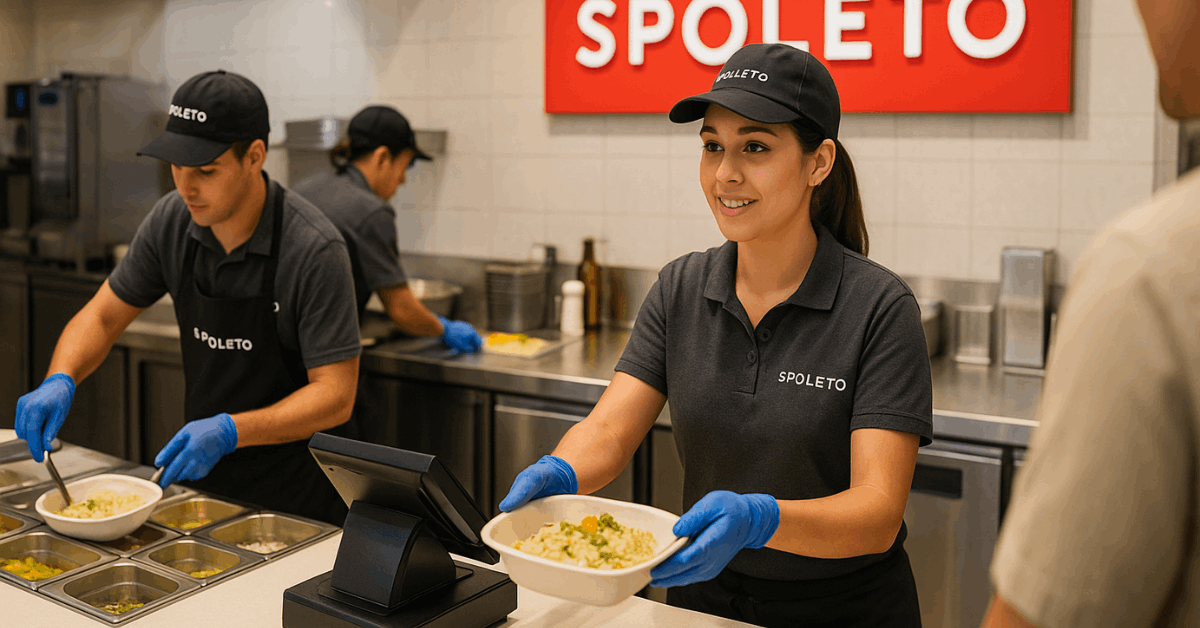
What Spoleto Looks For In Candidates
Hiring managers prioritize people who arrive on time, follow directions, and keep a positive tone under pressure.
Customer contact roles call for clear speech, patient problem solving, and tidy appearance that respects hygiene rules.
Back-of-house roles emphasize safe knife handling, consistent station setup, and teamwork during rush periods. Reliable availability during evenings, weekends, and holidays often decides final choices once basic skills appear comparable.
Roles and Growth Paths at Spoleto
Smart candidates map roles to strengths early, then apply for one primary path while signaling flexibility for adjacent tasks.
Consistent performance and dependable attendance usually open cross-training opportunities quickly.
Entry roles focus on speed and hospitality, while supervisory roles add scheduling, cash handling, and shift leadership. The snapshots below help you choose a starting point and plan early upskilling.
Front-of-House Roles
Cashiers, counter attendants, and servers greet guests, guide choices, and process payments correctly every time.
Success depends on accurate order entry, quick resolution of small service issues, and steady upselling of beverages or add-ons without sounding pushy.
Clean counters, organized condiment areas, and frequent table touches build visible quality that managers notice.
Kitchen and Prep Roles
Line cooks, pasta station crew, and prep associates keep food quality consistent, portions accurate, and stations stocked.
Safe temperatures, labeled storage, and timely batch prep reduce waste while protecting guests. Calm communication across expo and line positions keeps service flowing during peak times.
Supervisors and Managers
Shift leaders and assistant managers coordinate staffing, safety, inventories, and guest recovery.
Expect responsibility for opening or closing duties, basic scheduling, and light reporting. Clear notes, quick coaching, and steady follow-through on cleanliness checks establish trust with senior managers.
Eligibility and Core Job Requirements
Most locations expect applicants to be at least eighteen, especially for roles handling equipment, sharp tools, or late hours. Background checks may be required under local policy, and identity verification is standard for onboarding.
Spoleto job requirements typically include long periods of standing, frequent walking, and the ability to lift up to about forty pounds safely. Flexible availability matters, since dinner and weekend shifts carry the heaviest traffic in fast-casual settings.
Where To Find Current Openings
Consistent results come from checking official channels, then mirroring the same search on reputable job boards.
Keep a simple tracker for roles applied, dates, and follow-up actions, since duplicate submissions may confuse screening. Listings rotate frequently, so recurring weekly checks make sense until an offer arrives.
- Search the Spoleto career portal first, then set alerts where available so fresh roles reach your inbox quickly.
- Check trusted boards like Indeed and ZipRecruiter, filtering for location, schedule type, and entry pay range to avoid noise.
- Review job titles carefully, since cashier, counter, crew, and team member can describe similar responsibilities across postings.
- Confirm the posting’s age and apply to newer listings promptly, since managers often call the earliest qualified candidates first.
- Avoid any listing asking for upfront fees or personal financial data, since legitimate employers do not charge applicants.
How To Prepare a Strong Application
Clean resumes outperform dense narratives. A single page covering the last ten years or the last four roles usually works best.
Strong bullet points begin with verbs, quantify results when possible, and reference concrete service actions like greeting, order accuracy, and clean stations.
Include part-time retail or volunteer work that proves dependability, then add food service resume tips like temperature logs, safe lifting, or cash reconciliation if you have them.
How To Apply Online Cleanly
Rushed submissions create avoidable delays. Plan a short window to gather documents, proof names and dates, and match availability to store hours.
Applications that mirror the posting’s language tend to score higher in simple screeners and manager reviews. Keeping a single, consistent email address and voicemail greeting helps prevent missed calls.
- Prepare a master resume and tailored version for the specific role, matching the posting’s keywords without stuffing.
- Create an account on the employer site and complete every required field carefully, including full availability windows and nearest locations.
- Upload clean PDF files named clearly, then double-check phone number, email, and city to prevent screening errors.
- Answer application questions concisely and honestly, especially items on hours, weekends, or lifting, since managers will verify later.
- Submit, note the requisition or job ID if provided, and set a reminder to follow up politely after five to seven business days.
Interview and Trial Shift Expectations
Most stores use short, structured interviews focused on service attitude, reliability, and schedule flexibility. Managers commonly ask restaurant interview questions such as handling an incorrect order, staying calm when lines grow, or resolving a guest complaint quickly.
Clear, specific examples beat vague claims, so reference school projects, retail shifts, or volunteer events that required teamwork under time pressure.
Some locations may add a brief working interview or shadow period to observe pace and communication in real conditions.
Scheduling and Physical Demands
Restaurant work rewards stamina and focus. Expect extended standing, repeated bending, and quick walking during lunch and dinner peaks.
Hydration, supportive footwear, and short micro-breaks during slower moments reduce strain without affecting productivity.
Stores favor flexible restaurant schedules, so offering a few alternate time blocks each week can raise your chances when the roster shifts.
No Experience Yet? Land Entry-Level Roles
Plenty of candidates begin in entry level restaurant jobs that teach basics quickly. Showing up early for the interview, using polite greetings, and following simple directions signal readiness to learn.
Some locations allow new servers or counter staff to shadow experienced workers, which helps new hires absorb station flow, register steps, and guest interaction tone.
Managers care more about consistency and coachability than perfect domain knowledge on day one.
Common Mistakes To Avoid
Applications fail for small, preventable reasons. Tighten the basics and remove friction before clicking submit.
- Leaving availability blank or too narrow reduces interview invitations, since managers build rosters around peak hours.
- Using different names, emails, or phone numbers across forms causes matching problems and missed calls.
- Submitting a resume without dates, locations, or clear job titles makes screening difficult for busy teams.
- Overstating skills backfires during trials, while honest entry-level expectations keep training plans realistic.
- Ignoring follow-up windows after interviews signals low interest, so polite check-ins demonstrate motivation.
Quick FAQ
Hiring pages and local policies vary slightly, yet themes repeat across markets. The notes below address recurring questions recruiters answer daily. Treat them as general guidance and verify store-specific details during your application or interview.
- Is a diploma required?
Many entry roles accept candidates without college degrees, focusing instead on reliability, schedule coverage, and service mindset. High school completion helps and may be required locally, so read each posting carefully before applying. - Are food safety certificates necessary?
Some regions require a basic food handler card or equivalent within a set period after hire. Managers usually explain the local rule during onboarding, including where to complete training and how to submit proof. - How fast do hiring decisions happen?
Timelines depend on store needs and applicant volume, though qualified candidates often hear back within one to two weeks. Fast responses follow complete applications, clear availability, and quick replies to phone or email outreach.
Last Thoughts
Strong candidates keep a short checklist in motion. Confirm eligibility, prepare a concise resume, gather references, and watch new listings twice a week until interviews begin.
Accurate forms, workable availability, and a polite service tone carry more weight than buzzwords. Momentum builds once a manager can imagine you on the roster without added training or schedule friction.
Pro tip for visibility: Use the phrase Spoleto restaurant jobs in job board alerts, since that exact match catches brand-specific postings. Mirroring alerts for nearby cities adds options when stores share staffing needs across short commuting distances.