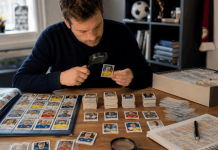
Collecting World Cup stickers has remained a global hobby, combining nostalgia with a challenging and sometimes rewarding treasure hunt.
For anyone interested, knowing how to spot lots with rare stickers is essential—both for enjoyment and, potentially, as a way to enhance a private collection.
This guide explains methods commonly used by experienced collectors, offering cautious but practical tips for navigating the sticker market safely and effectively.
Understanding World Cup Sticker Rarity
The term “rare” means different things to different people, especially in collecting circles. In sticker collecting, rarity often depends on the edition, print run, and demand linked to specific tournaments and players.
For instance, a rookie sticker for a football legend tends to be sought-after. Likewise, variations with printing errors or limited regional releases might also be categorized as rare.
Collectors sometimes debate which year constitutes the ultimate prize, but a general consensus leans toward older editions, particularly those produced before the mid-1990s. Still, recent tournaments have surprised the community with unexpected rarities.
Why It’s Tricky to Find Rare Stickers in Lots?
Sticker lots available online or through private sellers are mostly composed of common prints. The chance of stumbling upon something truly special is never guaranteed, and honestly, even knowledgeable buyers sometimes miss opportunities hidden in seemingly average assortments.
With the increased movement of stickers on international platforms, the risk of encountering misrepresented lots—where rare is a stretch—has grown.

How to Review a Sticker Lot Listing?
Checking Description Details
Carefully scanning the item description can reveal if the seller is familiar with the collection. Seasoned sellers often list year, series, and sometimes article numbers or names.
Phrases such as “mixed years” or “unsorted collection” may indicate less curation, which might be good or bad, depending on the buyer’s approach.
Assessing Photo Quality and Angles
High-resolution images are essential. Blurry or distant photos make it hard to judge sticker condition or recognize specific editions.
If photos display backs of stickers, that’s usually a positive sign; well-known rear markings differ across tournament years. The more angles shown, the higher the likelihood of identifying something rare.
Spotting Hints of Older Editions
Older stickers sometimes stand out for their size, color fading, or unusual borders. While it’s difficult to be certain, a set featuring different dimension cards or retro style designs is sometimes worth further investigation.
Common Signs of Rare Stickers in a Lot
Presence of Regional or Special Edition Stickers
Stickers released only in certain countries, or via magazine promotions, are less common. Pieces marked as “Argentinian edition” or labeled with national sponsors may hint at unique finds.
Notable Player Appearances
Players who later achieved legendary status might have stickers from their first appearance or “rookie” year included. Even if not rare by production, the demand often makes these valuable.
Errors or Print Variations
Stickers with production errors, missing text, or alternate colors can carry rarity, though verifying authenticity is necessary. Sometimes, sellers are unaware that their lot has these oddities.
Researching Recent Sales and Rarity Trends
Catalog Resources and Reference Guides
Consulting up-to-date sticker catalogs or guides—be they published books or reputable online sources—offers benchmarks for identifying rare series, years, or specific card numbers known to be scarce.
Studying Recent Auction Results
Exploring closed auction listings or completed sales on established platforms can highlight which sticker years and types are trending or seeing price spikes. This approach helps gauge which lots to inspect more closely.
Risk Factors to Consider Before Purchase
Vague Listings
Listings with minimal detail should raise a flag. When descriptions are thin on information, buyers sometimes speculate, which can be costly. If the intent is to add to a serious collection, vague listings demand extra scrutiny.
Unusually Low Prices
Deals that appear too good to be true might involve overlooked fees, mixed conditions, or even fakes. Collectors often remark that patience, rather than pouncing on “bargains,” leads to better results in the long run.
Questions That Help Clarify Lot Contents
- Has the seller specified if stickers are from the same year or mixed tournaments?
- Are any included in their original packaging or unopened?
- Are serial numbers visible in any photo?
- Did the seller confirm all stickers are official and not reproductions?
Tips for Contacting Sellers
Some collectors suggest sending a brief message to verify details, especially if the lot is valuable. Respectful questions, such as asking for close-up photos of particular stickers or sets, might reveal items otherwise missed.
Protecting Yourself from Counterfeit Stickers
Learning to Spot Fakes
Replica stickers can be hard to distinguish, particularly in images. Common red flags include inconsistent print quality, dull foil, or blurred logos. Some online forums devote lengthy threads to discussing how to detect counterfeits for specific eras.
Sticking to Reputable Marketplaces
Platforms with buyer protection programs provide added safety. Auction sites and marketplaces known for strict controls are often suggested for beginners to avoid unnecessary pitfalls.

Where to Search for Sticker Lots?
Major Online Marketplaces
Sites like eBay, OLX, and MercadoLibre see considerable activity, with sellers listing mixed lots across price points. Features like historical sales data aid in assessing true value.
Specialist Forums and Collector Groups
Collector-focused forums and social media groups sometimes list lots not found elsewhere. These communities often have trusted members, though vigilance is still necessary. Groups dedicated to Panini or vintage football memorabilia tend to provide more authentic options, but experiences can vary.
Long-Term Strategies for Building a Rare Sticker Collection
Building Relationships with Regular Sellers
Repeat dealing with ethical sellers might improve one’s odds of finding hidden rarities. Some collectors recall cases where sellers set aside interesting lots for loyal customers.
Using Data to Track Market Trends
Maintaining a personal spreadsheet or list of “most wanted” stickers and tracking prices can aid strategic buying decisions. Occasionally, trends shift quickly when a player’s popularity changes or a new market emerges.
Final Thoughts
Finding rare World Cup stickers in lots takes patience, research, and careful attention to small details. Collectors should review listing descriptions, photo quality, sticker backs, player names, editions, and possible print variations before buying.
It is also important to watch for vague listings, unusually low prices, and counterfeit signs that could lead to poor purchases.
With smart seller questions, trusted marketplaces, and organized tracking, building a rare sticker collection can become safer, more strategic, and more enjoyable.